
Winter HVAC Checklist for San Antonio Homes
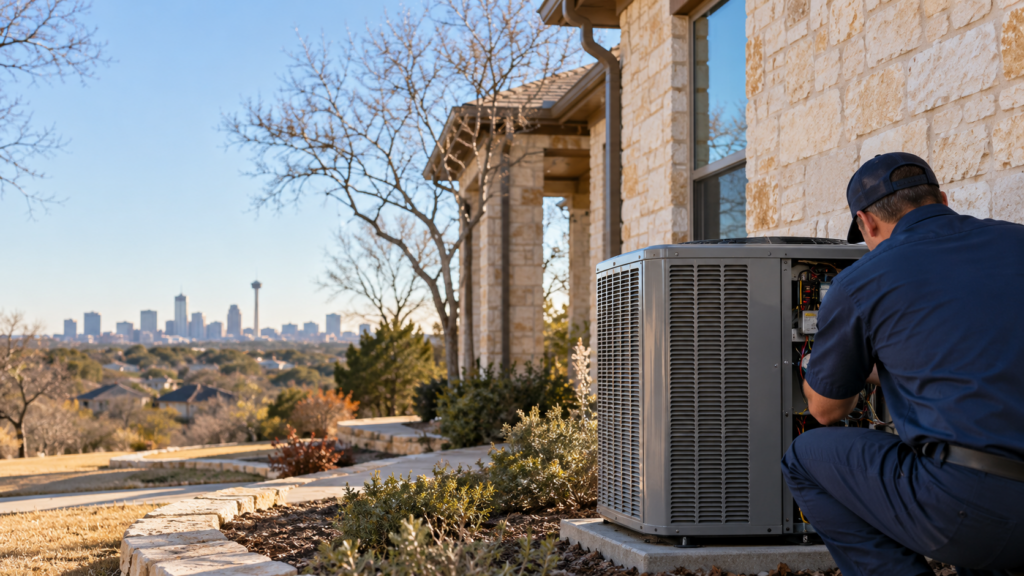
San Antonio is known for long, hot summers, but the cooler months can still put a home comfort system to work, which is why a winter HVAC checklist is worth a few minutes. A sudden cold front, dry indoor air, or a heating system that has been sitting unused for months can reveal a problem at exactly the wrong time. A little winter HVAC care gives you a better chance of staying comfortable and spotting concerns before they become an urgent repair.
Whether your home uses a furnace, heat pump, or a combined HVAC system, the goal is simple: keep air moving safely and make sure the equipment can respond when temperatures drop. Here is a practical checklist for homeowners across San Antonio, Helotes, Leon Valley, Shavano Park, Castle Hills, Boerne, Fair Oaks Ranch, and the wider Bexar County area.
Start with the air filter
A clean air filter is one of the easiest ways to support heating performance. A filter loaded with dust can restrict airflow and make the system work harder than it should. Check the manufacturer’s recommendation for your filter and replace it when it looks dirty. If you have pets, allergies, remodeling dust, or a busy household, it may need attention more often.
Test the thermostat before the next cold front
Turn the thermostat to heat and listen for the system to start normally. Within a few minutes, the vents should begin delivering warm air. If the system does not start, blows cool air, cycles repeatedly, or makes a new sound, do not wait for an overnight freeze to investigate. Early service can make the next cold snap much less stressful.
Keep supply and return vents clear
Furniture, rugs, and closed vents can interfere with airflow. Walk through the home and make sure vents and returns are open and clear. If one room is always colder than the rest of the house, mention that during your maintenance visit. Uneven comfort can point to airflow, duct, thermostat, or equipment concerns worth checking.
Pay attention to noises and smells
A brief dusty smell may happen when heating runs for the first time each season. Persistent burning smells, loud banging, grinding, buzzing, or repeated clicking are different. Turn the system off and have it evaluated if the odor or noise does not quickly go away. A professional can identify whether the issue involves a component, an electrical connection, or another part of the system.
Schedule seasonal maintenance
A winter maintenance visit is a good opportunity to get a clear picture of your system’s condition. HVAC Quality Solutions can inspect your heating and cooling equipment, discuss findings in plain language, and help you decide what should be addressed now versus monitored. Regular attention can also help prepare the same system for the heavy cooling demand that returns with the San Antonio heat.
If your home has dust buildup, allergy concerns, or weak airflow, it may also be helpful to ask whether duct and coil cleaning is appropriate for your system. Cleaning is not a one-size-fits-all answer, but understanding the condition of accessible ductwork and coils can help you make an informed choice.
Heat pump and furnace differences in winter
Many San Antonio homes heat with a heat pump, while others use a gas furnace or a combination of both. Heat pumps move heat into the home and often run longer, steadier cycles on cold days, which is normal. During defrost, the outdoor unit may briefly stop its fan or release steam, and backup heat strips may switch on. Gas furnaces deliver warmer air in shorter bursts and need their venting, burners, and safety controls checked. Knowing which system you have helps you tell normal operation from a problem.
Protect your home during a hard freeze
San Antonio does not freeze often, but when it does, a little preparation goes a long way. Keep the thermostat at a steady setting rather than turning it far down at night, since recovering from a deep setback is harder on a heat pump in very cold weather. Clear leaves and debris from around the outdoor unit so it can defrost properly, and keep gutters from dripping onto it. If your home has gas appliances, make sure carbon monoxide alarms are working before you rely on the heat for long stretches.
Winter HVAC FAQs
What temperature should I set my thermostat in winter?
Many households are comfortable around 68°F while home and awake. Consistency matters most, because large setbacks can make a heat pump rely on backup heat during cold snaps. Adjust for comfort and any health needs in your household.
Is it normal for a heat pump to steam in winter?
Yes. Heat pumps periodically run a defrost cycle to melt frost from the outdoor coil, which can produce steam and a brief pause of the outdoor fan. Ice that stays on the unit for hours should be inspected.
Should I cover my outdoor unit in winter?
Generally no. Heat pumps run in winter and must not be covered. For an AC-only outdoor unit, a full cover can trap moisture; keeping the area clear of debris is usually enough in San Antonio’s climate.
When should I schedule a winter HVAC check?
Fall is ideal, before the first cold front. If you missed it, a winter check is still worthwhile, especially for gas furnaces. Our guide to HVAC maintenance plans compares annual and twice-yearly visits.
Local HVAC care when you need it
HVAC Quality Solutions serves San Antonio and Bexar County, including Helotes, Leon Valley, Shavano Park, Castle Hills, Boerne, and Fair Oaks Ranch. For heating repairs, routine care, or a conversation about year-round comfort, explore our heating services, HVAC maintenance, or contact our team to schedule service. Call or text (830) 765-2048 to confirm availability for your home or business.