
How San Antonio Humidity Affects Your AC Drainage System
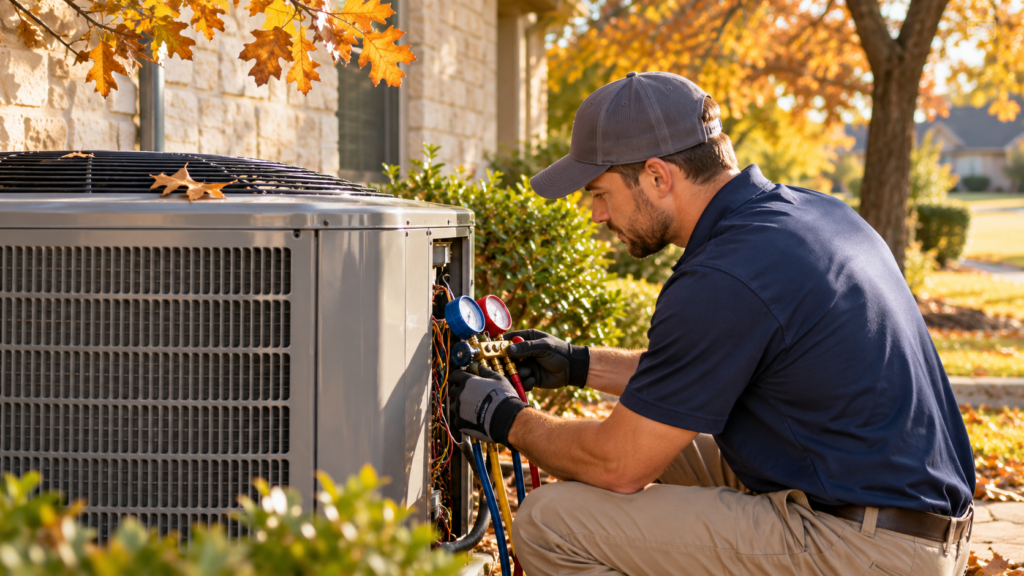
San Antonio homeowners usually think about air conditioning in terms of temperature, yet humidity plays a big role too. But every time your AC runs, it also removes moisture from the indoor air. That moisture becomes condensation and must travel safely through a drain system. During humid weather, that drainage system has more work to do, which is why a small issue can become visible as water near indoor equipment, a musty smell, or an unexpected shutdown.
Understanding the basics helps you know when a simple observation is enough and when it is time to request professional AC service.
Your AC is also managing moisture
As warm indoor air passes over the cold evaporator coil, moisture collects and drains into a pan and condensate line. This is normal. The line carries water away from the equipment so it does not collect in an attic, closet, garage, or utility area. Long cooling cycles and humid conditions can mean more water moving through that line.
Early signs of a drainage concern
Pay attention to water near the air handler or drain pan, a damp odor around the equipment, or cooling that stops even though the thermostat is set correctly. A float safety switch may turn the system off when it detects water at its location. That protection can help limit overflow, but it is a signal that the drain path or nearby equipment needs attention.
Why a professional inspection matters
Drainage issues can come from debris, algae growth, an improperly sloped line, a cracked pan, a blocked termination point, or another condition near the system. A technician can inspect the full path, check the pan and safety switch, and explain the repair before work begins. Avoid forcing wires through a line or using harsh chemicals, which can create damage or move debris deeper into the system.
Maintenance helps before the busy season
Routine HVAC maintenance is a practical time to check drainage, airflow, and the condition of the indoor coil. Keeping filters changed also supports airflow, which helps the system operate as intended. If you have noticed repeated drain concerns, mention them during your visit so the technician can look for a larger cause instead of treating only the symptom.
How much water does an AC remove?
On humid days, a typical home air conditioner can pull several gallons of water out of the air. That water drips off the indoor coil into a drain pan and must flow freely through the condensate line to the outside or to a drain. When everything works, you never notice it. When the line slows down or clogs, the water has nowhere to go. A float switch adds protection by shutting the system down if water backs up into the pan.
Indoor humidity and comfort
Many guidelines recommend keeping indoor relative humidity between about 30 and 50 percent, and below 60 percent to limit mold and dust mites. If your home feels clammy even when the thermostat is satisfied, the system may not be running long enough to remove moisture, the equipment may be oversized, or airflow may be set too high. A technician can check how well the system dehumidifies and whether adjustments, a different fan setting, or added dehumidification would help.
Protecting your home from drainage problems
- Have the drain line and pan cleaned during routine maintenance.
- Make sure a float or overflow safety switch is installed and tested.
- Check the secondary drain outlet, often above a window or eave, for dripping water.
- Watch the ceilings below attic equipment for stains during the humid months.
Our guides on AC drain line clogs and what an AC float switch does explain more.
Humidity and AC drainage: FAQs
Why does my AC produce so much water?
Removing humidity is part of how an air conditioner works. On humid San Antonio days, the system can pull several gallons of water from the air, which drains away through the condensate line.
What indoor humidity level is best?
Many guidelines recommend roughly 30 to 50 percent relative humidity, and keeping it below 60 percent to limit mold and dust mites. A simple hygrometer can show you where your home stands.
Why does my house feel humid even with the AC on?
Common causes include an oversized system that short-cycles, a fan left running continuously, airflow set too high, or leaky ducts pulling in humid attic air. A technician can check how well the system removes moisture.
Can a clogged condensate line damage my home?
Yes. Water can overflow the drain pan and damage ceilings, insulation, walls, or flooring, especially with attic equipment. A float switch helps by shutting the system down before water spills.
AC drainage help across the San Antonio area
HVAC Quality Solutions serves San Antonio and Bexar County, including Helotes, Leon Valley, Shavano Park, Castle Hills, Boerne, and Fair Oaks Ranch. For a drainage concern, AC repair, or seasonal HVAC maintenance, contact our team or call or text (830) 765-2048.