
Duct Repair in San Antonio: Signs of Leaky Attic Ductwork
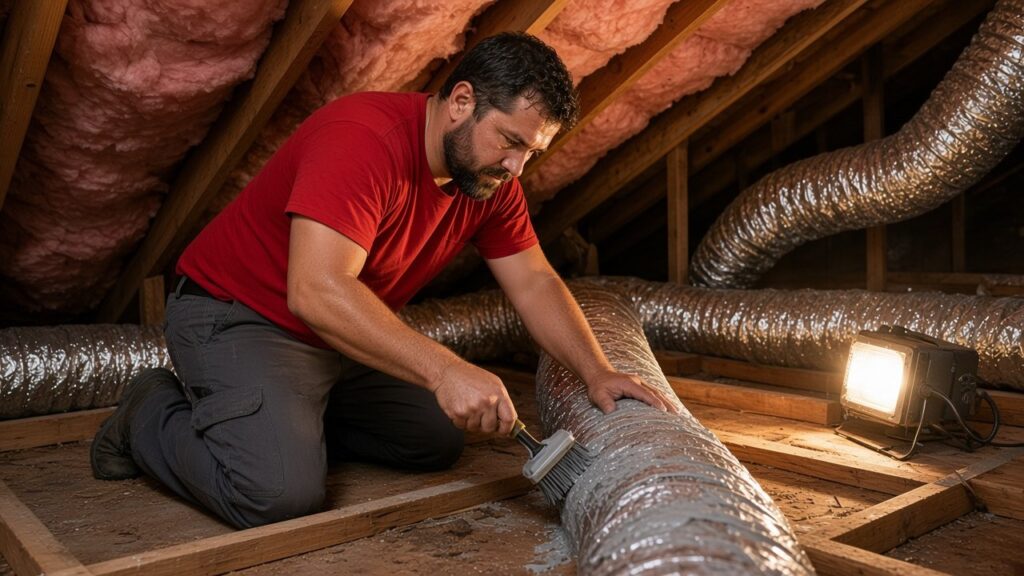
In many San Antonio homes, the ductwork runs through the attic, one of the hottest places on the property during summer. When those ducts leak, cooled air escapes into the attic instead of reaching your rooms, and hot, dusty attic air can be pulled into the system. Because ducts are out of sight, the need for duct repair often goes unnoticed while comfort and efficiency slowly decline.
Signs your ducts may be leaking
- Certain rooms are always warmer or have weak airflow
- The AC runs for long periods but the house never feels fully cool
- More dust collects in the home, even with regular filter changes
- Utility bills rise without a clear reason
- You hear whistling or rushing air from the attic or walls
- Ducts or registers sweat or drip during humid weather
These signs can also come from equipment, filter, or thermostat issues, so an inspection helps confirm whether the ductwork is the cause.
Common causes of duct leaks
Ductwork can develop problems for several reasons. Tape and older sealants dry out and lose their grip in extreme attic heat. Joints can separate over time, especially at connections to the plenum and registers. Flexible duct can be crushed by stored items, sag between supports, or get kinked during other attic work. Rodents and pests may tear through duct jackets and insulation. In some homes, the original installation simply left gaps that were never sealed.
Why leaks matter in a hot attic
When a supply duct leaks, air you paid to cool is lost before it reaches your living space. When a return duct leaks, it can draw in superheated attic air along with dust and insulation fibers. That puts extra load on the system, reduces comfort, and can affect indoor air quality. Condensation on poorly insulated ducts can also lead to water stains on ceilings.
Duct repair options
The right repair depends on what an inspection finds. Common fixes include:
- Reconnecting and securing separated duct joints
- Sealing seams and connections with mastic or approved duct sealant
- Replacing crushed, torn, or deteriorated flex duct
- Adding proper supports to remove sags and kinks
- Improving insulation on exposed duct runs
- Balancing airflow so each room gets its share
Keep in mind that duct cleaning removes buildup but does not seal leaks or repair damage. Those are separate tasks with their own scope.
Protect your ducts going forward
Avoid storing boxes on top of ducts, and ask anyone working in the attic, such as electricians or insulation installers, to take care around duct runs. Including a ductwork check during regular HVAC maintenance can catch problems early.
What a ductwork inspection looks for
A ductwork inspection usually starts at the equipment and follows the main trunk lines and branches through the attic. The technician looks for separated joints, crushed or kinked flex duct, torn jackets, missing insulation, and connections that were never sealed. Measuring airflow at registers and checking the system’s static pressure can show whether the ducts are delivering the air the equipment is designed to move.
Returns get special attention. A leak on the return side can pull hot, dusty attic air directly into the equipment, which affects comfort, efficiency, and indoor air quality all at once. After the inspection, you should receive a clear explanation of what was found, which problems affect comfort the most, and a written scope for any recommended repairs. In some homes, a few targeted repairs make a noticeable difference. In others, sections of old ductwork are in poor enough condition that replacing them is the better long-term choice. Either way, repairs work best when they are finished with proper insulation, so the ducts do not lose cooling to the attic or sweat during humid weather.
Duct repair FAQs
How do I know if my ducts are leaking?
Common signs include rooms with weak airflow, a house that never fully cools, extra dust, rising bills, and whistling sounds from the attic. A technician can inspect the ductwork and measure airflow to confirm.
Is duct sealing the same as duct cleaning?
No. Sealing and repair fix leaks and damage, while air duct cleaning removes buildup inside the ducts. They are separate services with separate scopes.
Can leaky ducts cause hot and cold rooms?
Yes. Leaks in the ducts serving a particular room can leave it warmer than the rest of the house. Thermostat placement and duct design can also play a role; our thermostats and zoning service looks at those causes.
Can I seal ducts myself with tape?
Standard cloth duct tape tends to dry out and fail in hot attics. Professional sealing typically uses mastic or approved duct sealants, and many leaks are in hard-to-reach spots, so an inspection is the best place to start.
Duct repair across the San Antonio area
HVAC Quality Solutions provides ductwork and airflow repair for San Antonio and Bexar County, including Helotes, Leon Valley, Shavano Park, Castle Hills, Boerne, and Fair Oaks Ranch. If some rooms never cool down or your home feels dustier than it should, contact our team or call or text (830) 765-2048 to confirm appointment availability. You can also explore duct cleaning once your ductwork is sealed and in good shape.